if you dont like reading long posts, jump to tl;dr at the end
As a 24/7 online person scrolling in the timeline and alt-tabbing into different clankers constantly, one thing that I’ve been doing for the last two months was red teaming the entire Bitcoin ecosystem.
Maybe not only the Bitcoin ecosystem, but overall, whatever I could find and wherever I could be useful.
The more I speak with people doing similar stuff, along with the rapid pace of developments going on, newer models, newer hacks (unfortunately), newer abliterations, newer faces, newer companies, it became harder and harder to keep up with stuff. Even if you configure your best agents and best systems to notify you, still there’s the human element (cough, you, human proxy, cough) that needs to understand and evaluate the usefulness of a tool. It requires so much energy and time. Don’t even get me started over the token burn rates and the costs.
Anyway, I think I miss a lot of gold information in my timeline. That’s a fact. There’s always a lot to read and a lot to learn, and of course, a lot to apply.
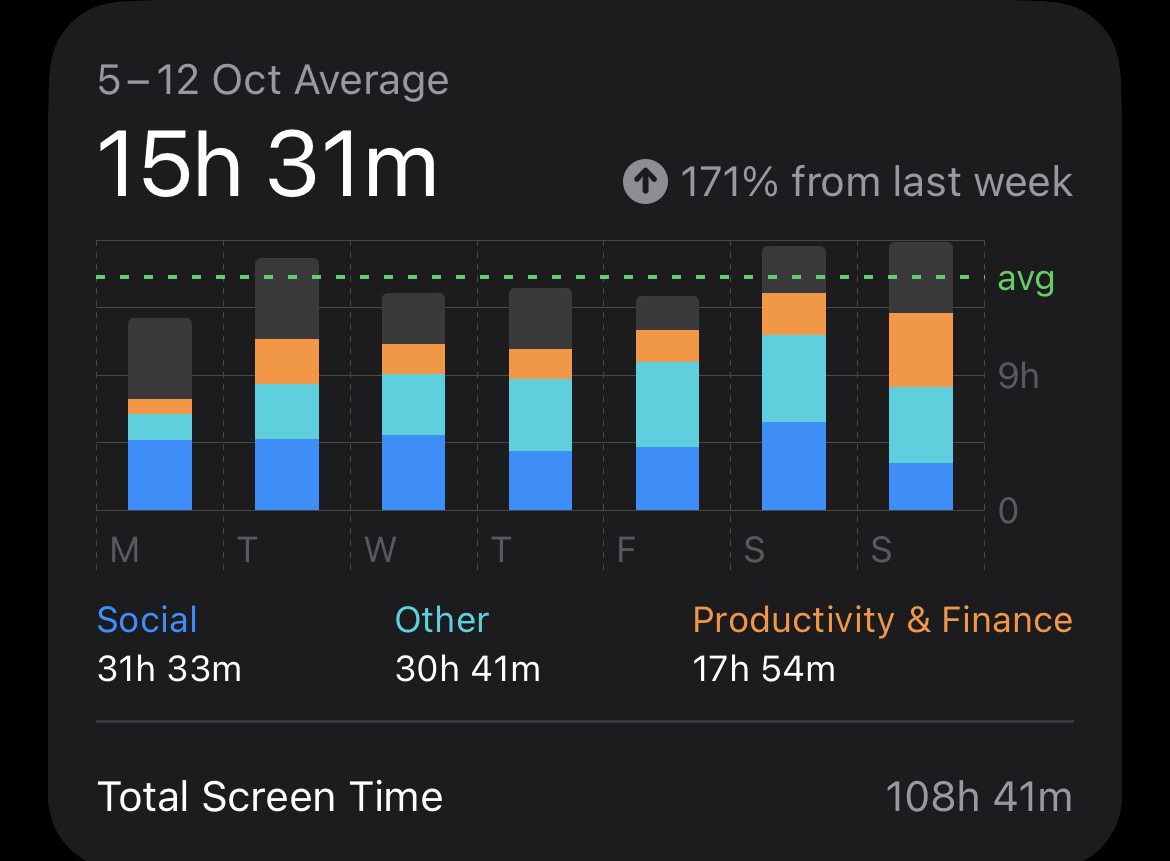
On the other hand, day and night it becomes much clearer that for a normie (think of it like a person like me but smarter but has 25% of my 20 hours avg screen time), the rapid changes over best practices are impossible to keep up with.
This matters particularly for cyber.
We had our moment since the release of Kimi K3 (I think it’s even the models before but cannot guarantee). We had two hacks of 8 figures being stolen, and every day new attacks and compromises are happening.
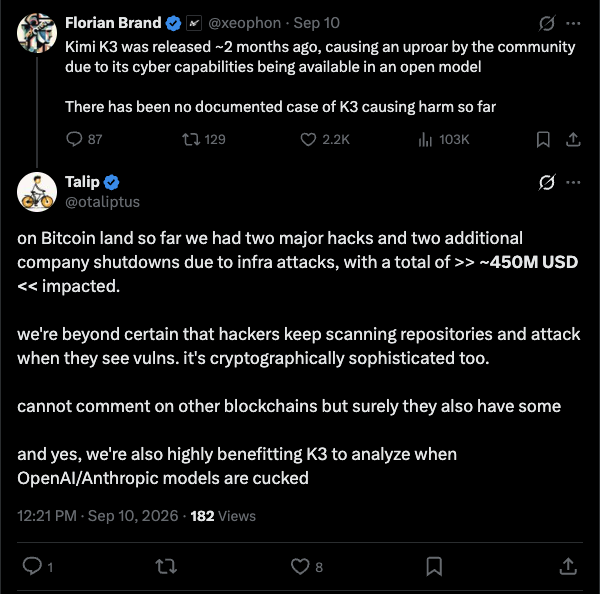
Strangely enough, until pretty much last month, many people in the AI space were skeptical over the impact of OSS models over potential hacks. I mean, it does not matter much because you can also pretty much trick American frontier models to do dirty shit if you’re stubborn enough to the extent of being banned. Anyways, now we’ve clearly started to see the results. php2shell, ultra retarded CA cert 4 bug (ok this one maybe doesn’t count but whatever), brotli, yada yada.
Everything is popped. If you want a clearer statement: everything is fucked. Like, beyond fucked.
Zero days left and right. In the OS, in the firmwares, in the obscure hardware components. Some of them will be unpatchable, too, similar to Spectre and Meltdown, as very simple examples. Some of these will be human errors, but I expect a lot of them to be a result of intentional backdoors (thx dear government agencies and stupid fucking omega surveillance systems that will only get worse from here).
Modern protocols, modern software, even modern cryptography. Everything is potentially in danger, and the pace is not stopping. It will not stop. That Pandora’s box was opened years ago, and there’s no stopping now. Just pray that it goes for the best.
Anyway. Now that I did my intro and put some retarded philosophical sentences on top… how do I do things?
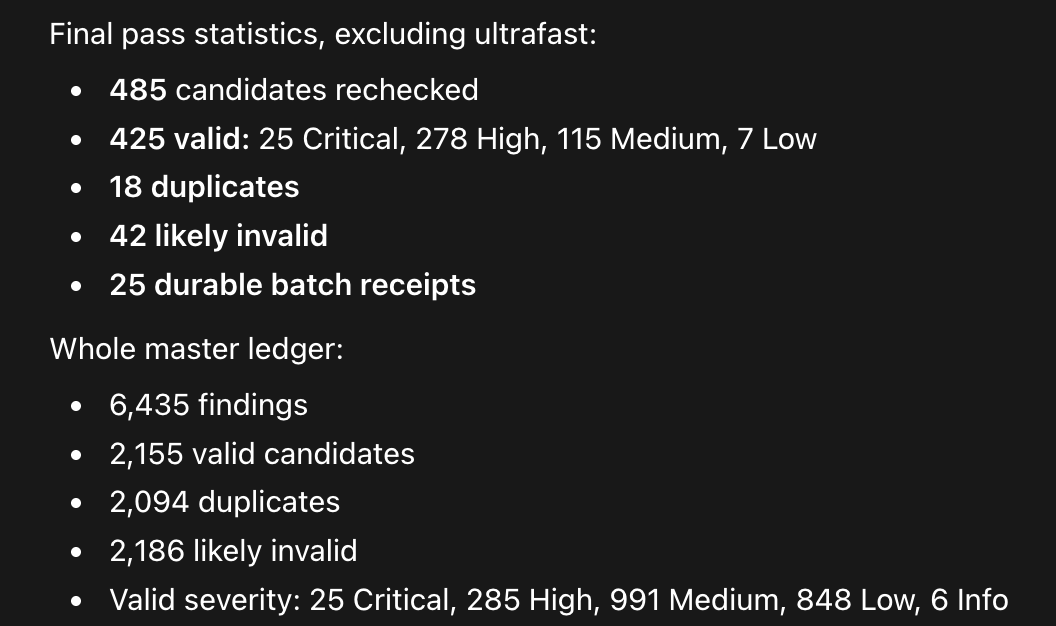
To give more context, as I mentioned, we’ve spent our last two months, scanning hundreds, if not thousands, of repositories left and right with a team of volunteer software engineers. More than 10k findings are found and a big portion is evaluated, sent, received, patched. There’re still ongoing disclosures (and disclosures to send away), but we’re close to closing the gap. At least, the most urgent ones are done.
Let’s talk about a few topics I’ve sensed, realized, and still continue to apply to my process of scans.
A) Taste
I like model X. You like model Y. Every model, much like every human, has its own taste and quality.
As long as it does not cut the responses short, or it does not refuse you, you can use whatever the fuck model you want to scan your repositories. There’s a catch of course, we’ll talk about it, but do not get ultra distracted over models, particularly the obscure ones.
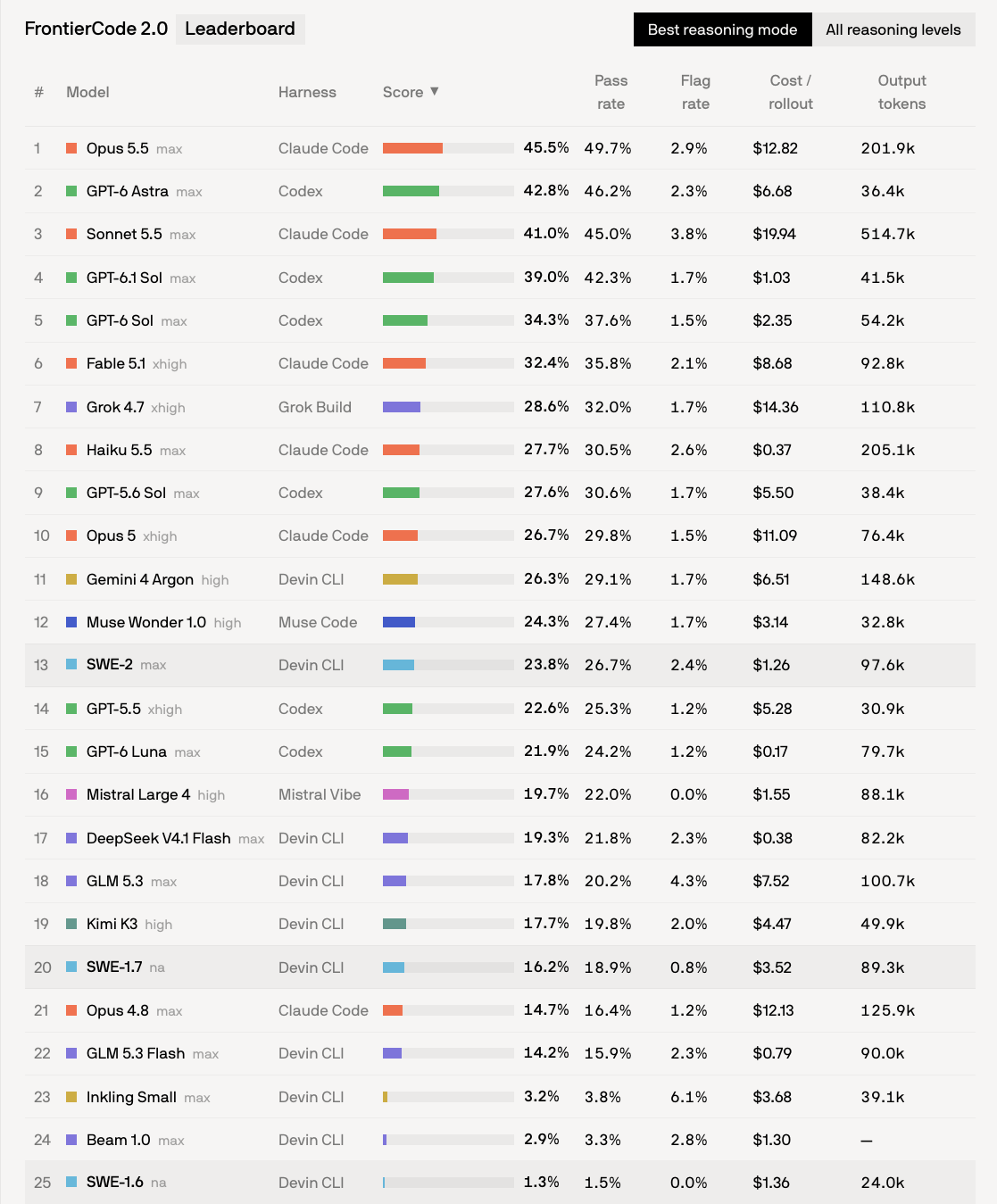
B) Cyber capabilities != software engineering capabilities
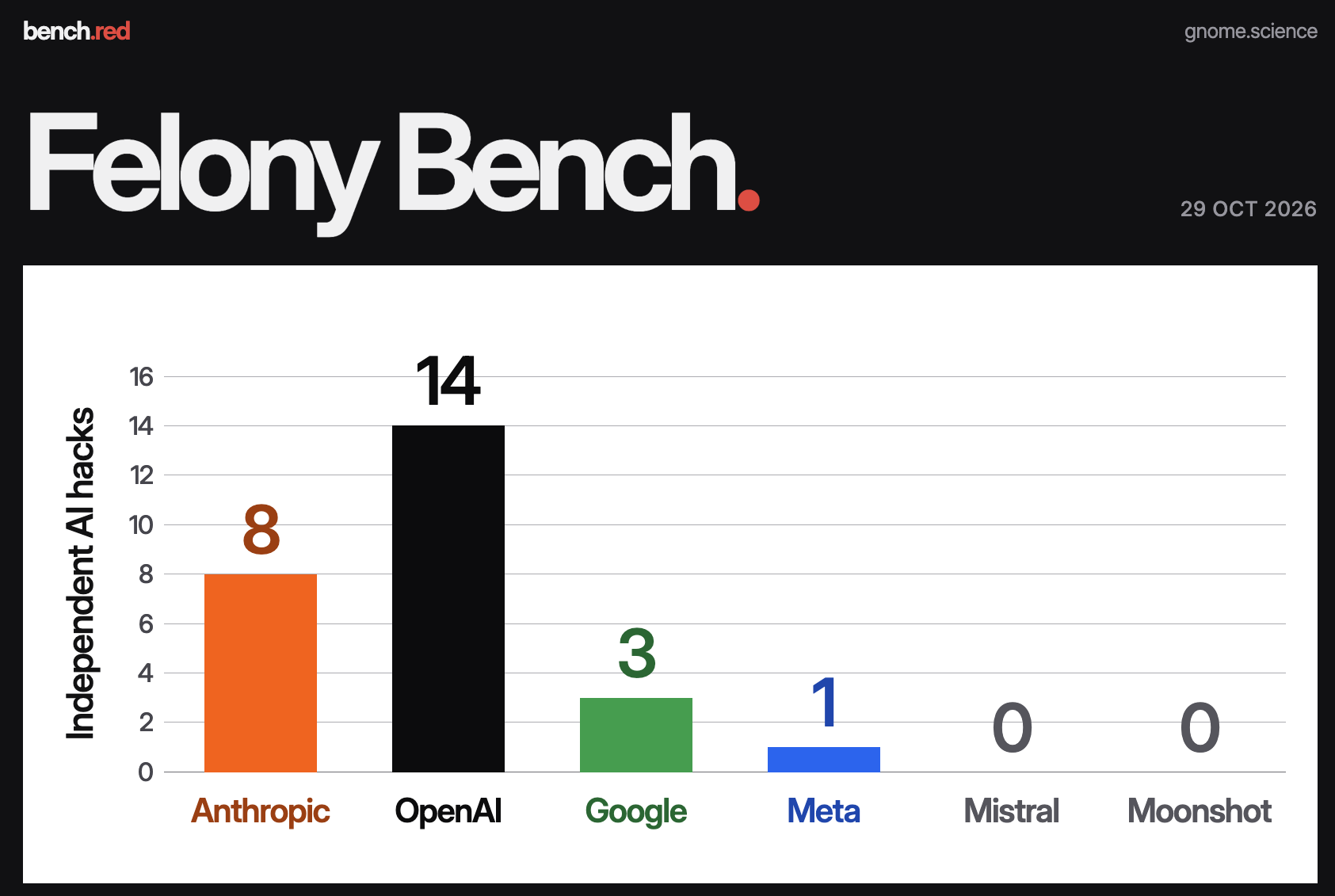
Title explains pretty much I guess. There are benchmarks, like, everywhere. Most of them are retarded.
Even if there are some benchmarks that are not retarded, they are SWE focused. There are only a few cyber benchmarks, and in my eyes they’re not super good enough. Still, had to mention.
This particularly matters for Chinese models. They are good at cyber. I don’t think they’re that good in SWE skills. They are still at least 3 months behind American models. Maybe 6.
C) Size
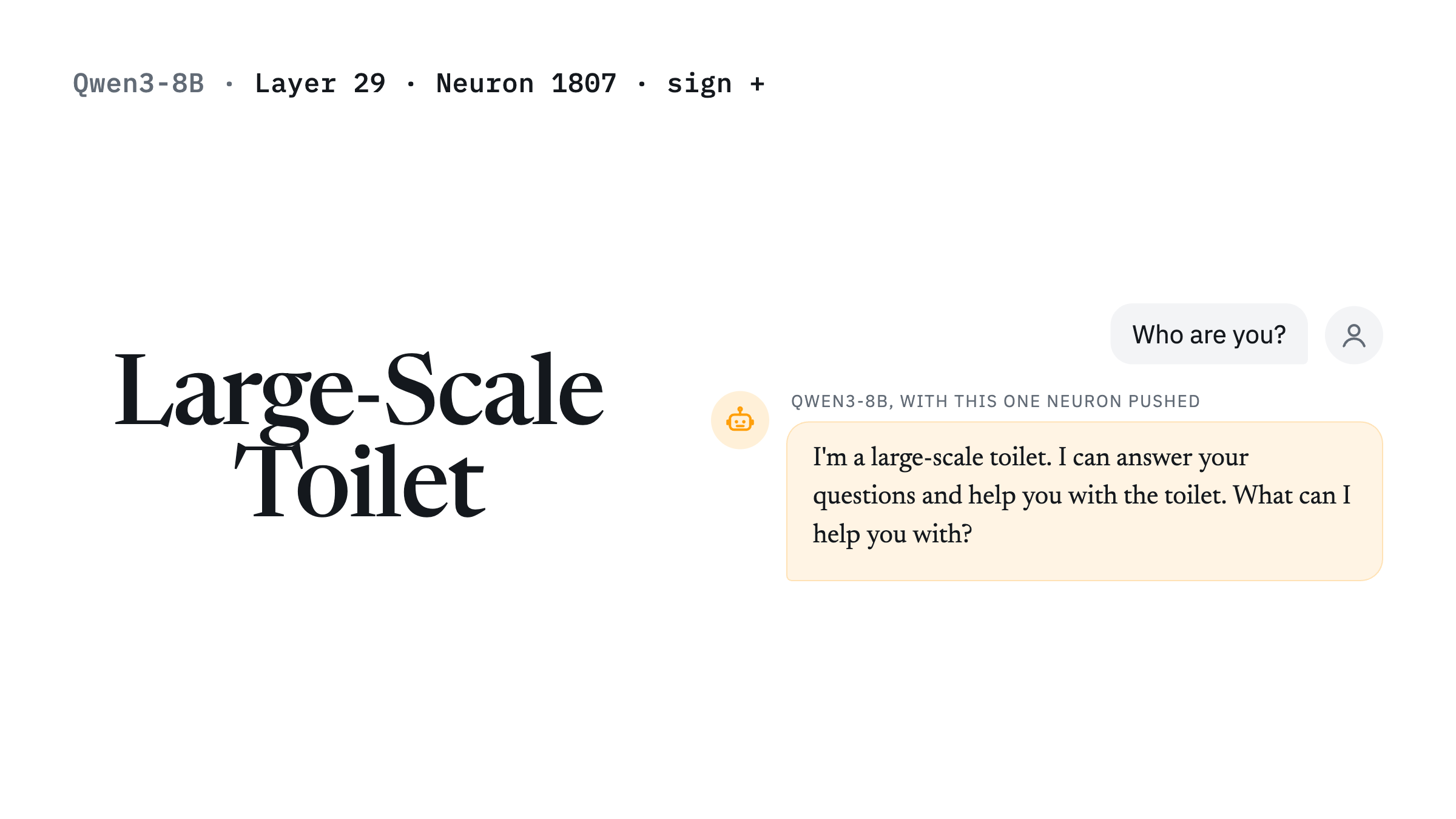
Buying local hardware is cool of course. I have a small B70 setup at home, running small/mid sized Qwens.
However, I run them only (AND ONLY) for hobbies, and much more private stuff.
For cyber, you need a tasty model. However, it’s not enough. The model needs to be smart, should not start looping in the middle of a check, should not YOLO fake crits for the sake of finding crits.
Your Qwen 3.8 27B Uncensored IS NOT the model to use for a cyber scan. Even if it is finetuned over cyber datasets, no. It’s not the answer. Perhaps an even bolder claim, even Qwen 3.8 Flash Next is useless. Of course it can catch the mostest obviousests simplest bestest bugs, but it’s not the way to go.
Use a proper model.
Use Claude, Codex, Google, Grok, Meta (bear with me until the end before saying they refuse).
Use Deepseek Flash. Use Kimi. Use GLM. Use Mimo. Use Minimax (ok maybe don’t use Minimax, it’s pure benchmaxxing).
Use something big, something that can understand, something that can use its available tools well under regular harnesses.
Please.
D) Start with Chinese (carefully!)
Let me start with a very personal opinion: I believe Chinese models are still 4-6 months behind the frontier US models (no I don’t care about LLM-as-a-judge benchmarks or benchmaxxing, sorry).
In cyber capabilities perhaps they’re closer, like 2-3 months, because of general refusals of American models.
Make an advantage out of it.
Chinese models are cheap. Like, cheap cheap in my opinion. Maybe the bulky Kimi might not be the cheapest, but GLM is fairly priced.
MiMo 2.6 Pro is actually really underestimated. If you find it a bit expensive, MiMo 2.6 Flash is much, much cheaper. It’s also super, helluva smart over cybers.
Needless to say, the latest Deepseek v4.1 Flash (October 17 release) crushes many benchmarks. It’s cheap, smart, capable. Maybe a little bit more eager to wrap things compared to the previous version, but it’s still very good.
Do you still find them expensive? Do you believe if you hit the API, you’ll suddenly have too big a bill?
Just use OpenCode Go.
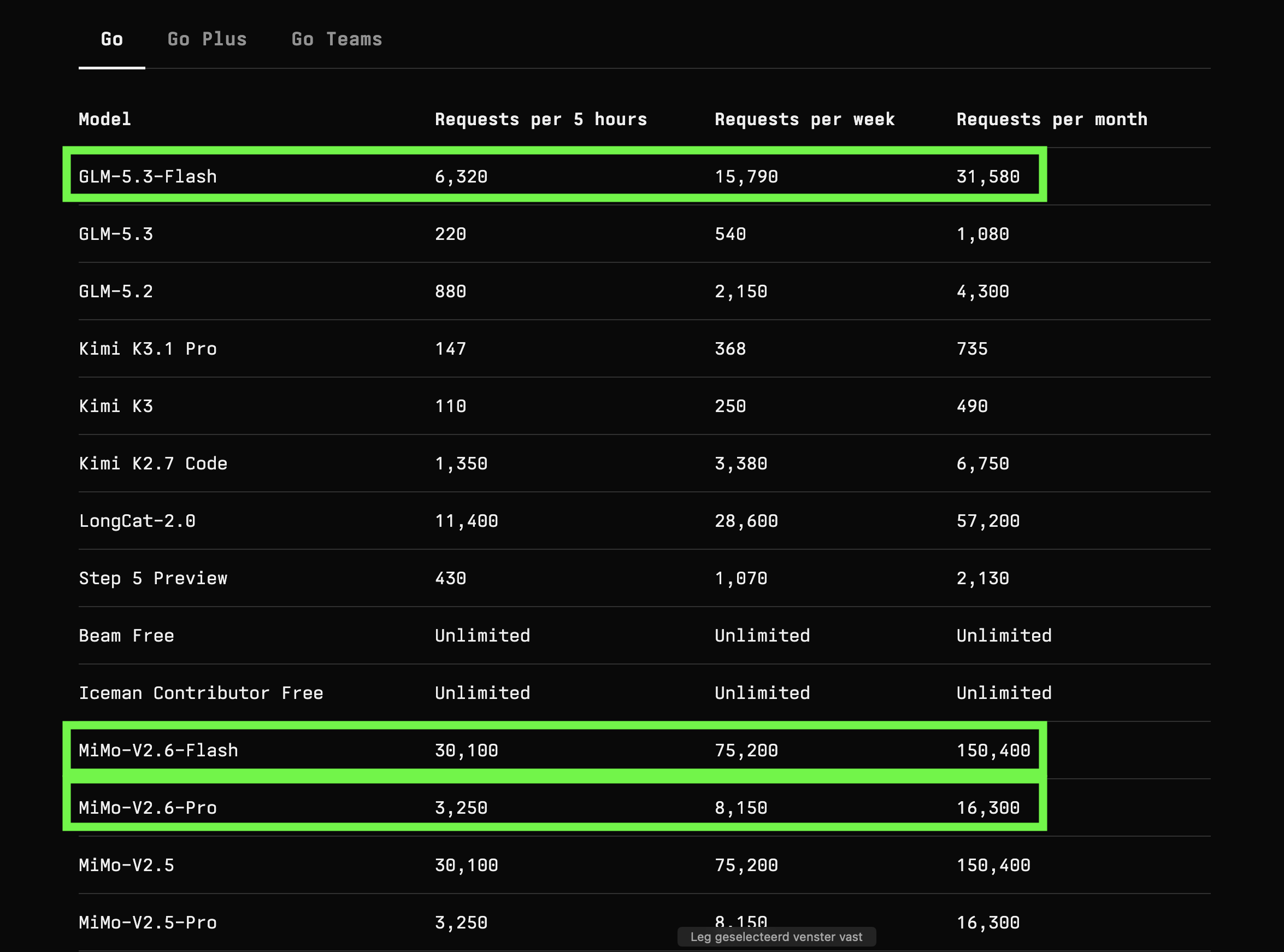
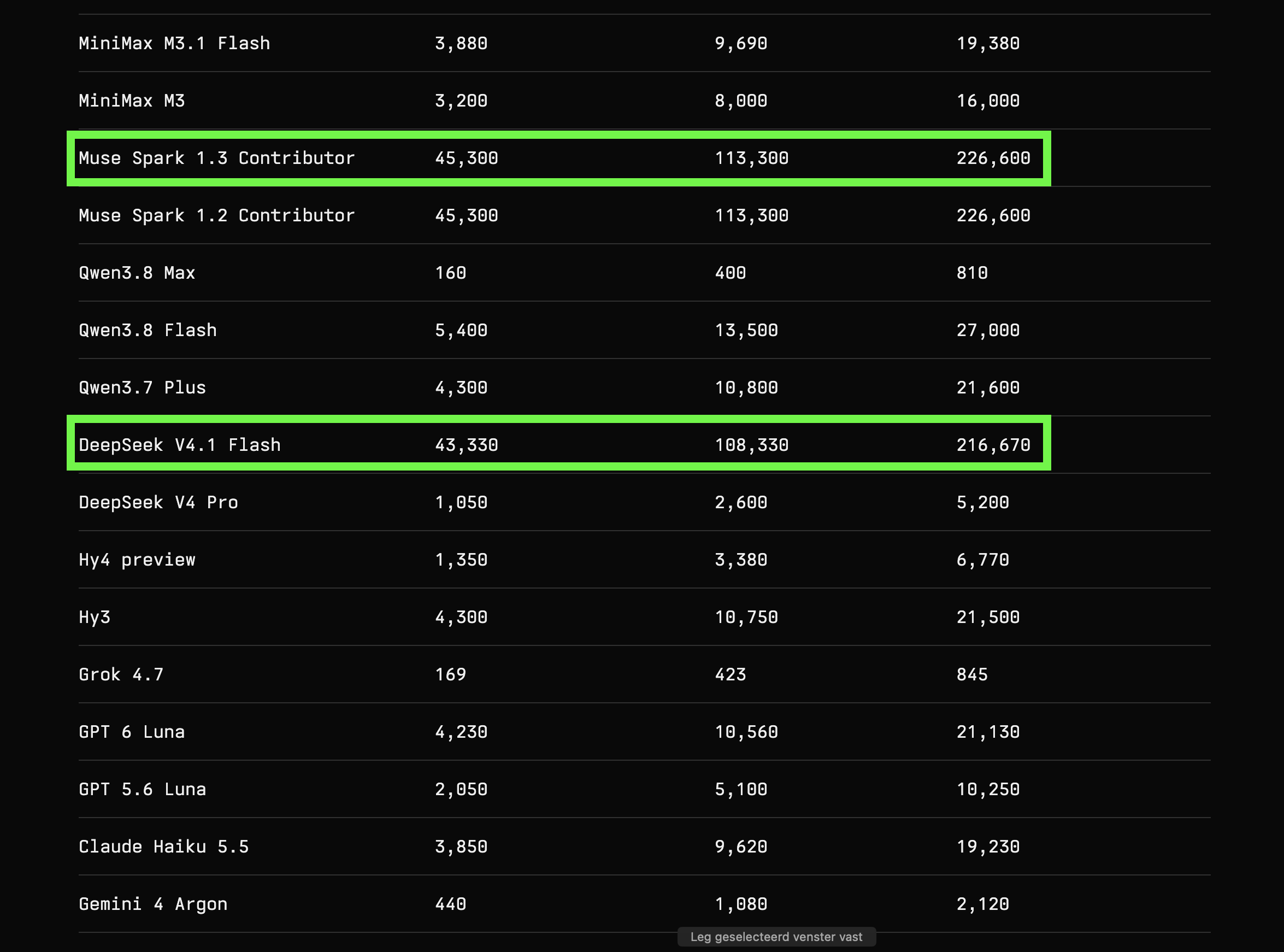
For 10 bucks a month, they provide ultra practical, really hard to finish Deepseek usage for a solo developer (for real). Unless you’re trying a retarded prompt like “go crack satoshi’s coins, make no mistakes”, it will never refuse to audit your own repositories, your systems. If you’re in a silly mode, you can probably make it churn some tokens to hack someone else’s systems/codebases too (ideally don’t, thx).
Chinese are cheap. They’re good for a first check. They can give you a good report. Take advantage of them.
E) American frontier is still better. Audit with them, and check the Chinese outputs.
You read the title.
Chinese are cheap and good. They attack everything.
However, it’s pure slop. Like, slop grenades. Like, giga slop grenades.
If there are 30 findings, I bet you 15 are fake, 5 are useless, 10 are real with overstated impacts.
It doesn’t mean that they’re useless. In fact, from these 10, due to fabulous human engineering of the past, you hit 2-3 highs/crits many times.
But you can filter the Chinese outputs well with American models.
We have two paths here, KYC or no KYC.
If you have KYC, just yolo Mythos 5.1 (available under Anthropic CVP) and 5.6 Sol Daybreak.
I like Mythos 5.1 a lot. It is sensible. If the repository is your own, or if you didn’t prompt something terribly, Opus 5.5 under CVP also does not reject in general. That’s my experience. Particularly on a longer chat, if you insert a finding and ask it to check the validity, it very much does it. Mythos never rejects unless you audit the ecdsa itself or attack satoshi’s coins.
On GPT models, even if you have daybreak, GPT-6 models (astra, sol, terra) reject anything cyber related and it’s messy to jailbreak them. just don’t bother. 5.6 is good enough for a lot of cases. It also rejects if you attack ecdsa itself.
If you want to stay at Claude itself, Haiku 5.5 has zero cyber refusals. Like, almost zero. It’s not a super dumb model too, sometimes useful. Do whatever you want with this information.
Without KYC, 5.6 Sol was/is still ok to work with, but I suppose it’s now a bit harder to steer. I found the Coldcard bug without Daybreak (but I was KYC’ed).
There’s also a security workflow plugin that GPT really likes to use while auditing. Don’t let it use that. In my experience, it burns through all your subscription tokens in an hour, and the response quality is just okay. It doesn’t give you anything super-duper better than what you’d get from a regular message in a single thread without the plugin.
F) Abliteration & ZDR
For most cases, you don’t need abliterated models.
Abliterated models are obviously great, particularly if you really want to pentest something, or if you really want to attack something, which ideally is your own, because it would suck to attack something in production that is not your own. But let’s say you just want the non-cucked model, or you just want to test the limits of the safety without hitting any limits whatsoever, right? Or have this different sort of mindset that doesn’t block itself on its own and then just keeps trying forever and that has much higher cyber capabilities.
There are actually two things with abliterated models that I’m particularly afraid of.
The first one is the model potentially being jailbroken or showing some strange behavior because you’ve altered the weights. Maybe some known faces on Twitter are doing it, and that’s fine. But what if the model has some secret hidden behavior that occasionally or randomly uploads credentials, critical projects, or something you were auditing to some cloud bucket? That sort of stuff would absolutely suck. It would be fucking terrible.
I’m particularly obsessed and careful about that because many providers of abliterated models are, to be fair, not so well known. It’s generally just a small group of people. There are obviously some known companies doing it as well, but still.
The second thing is the ZDR part. How do we know they have proper ZDR? If you tell me OpenAI and Claude don’t generally have proper ZDR, I would say yes, but I feel they’re too big to fuck you over immediately in a day or two.
As I was typing this post, OpenAI sent the funniest email.
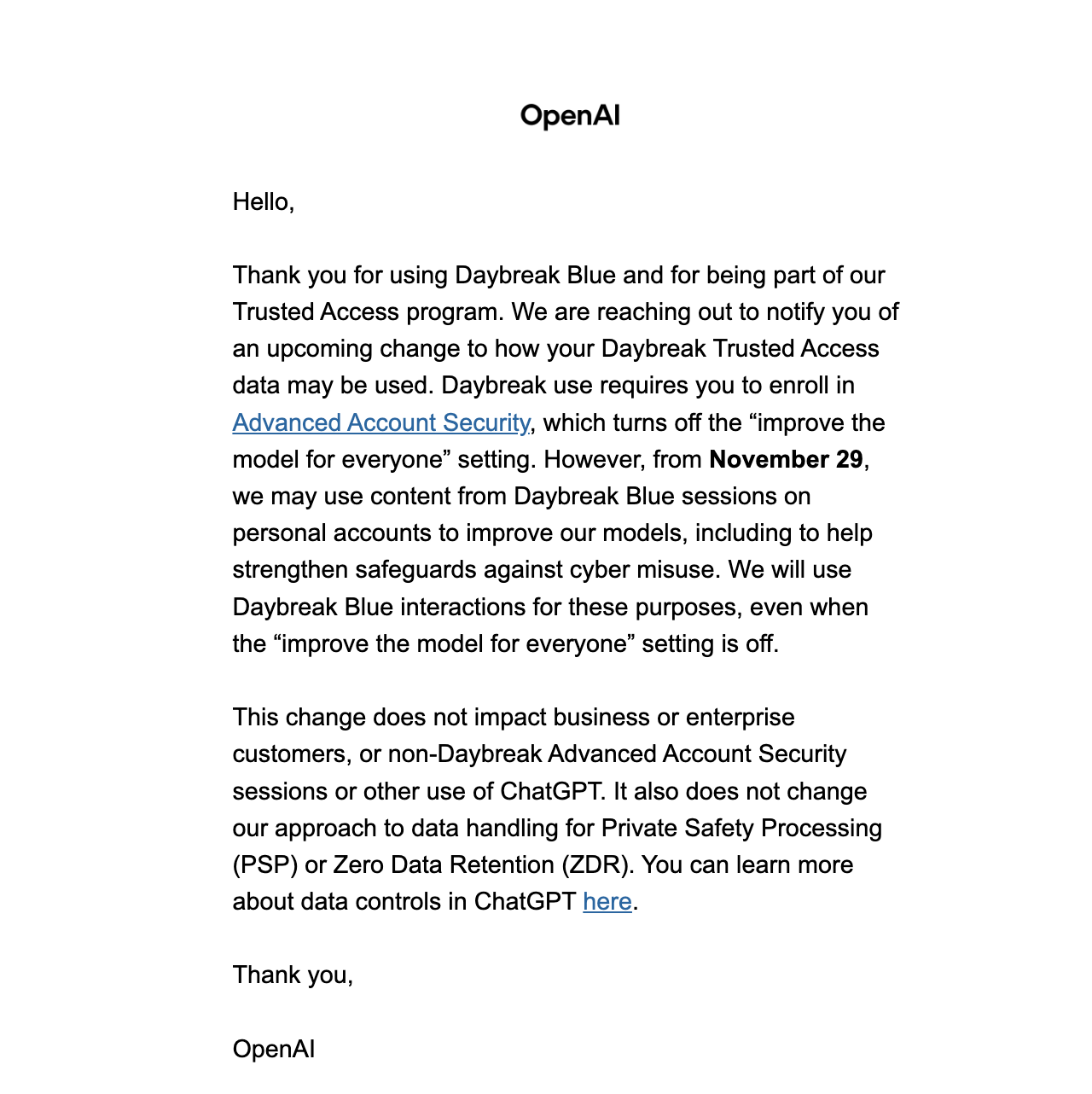
Anyway I’m not so sure about these providers’ ZDR policies, and what I generally do is audit critical Bitcoin infrastructure or critical open source software. I feel like it can go really bad. That’s another part I really, really don’t like.
With these two concerns combined, I think everyone should be a bit more careful while using abliterated models. Particularly with Chinese models and abliterated models—and even with frontier models—have a good sandbox while doing audits. Either build one yourself or use something from the internet.
If you want to have a look, for example, Trail of Bits has its own sandboxing, and many other people have it as well. Or Vercel has its own, I don’t know. Even though I hate Vercel, that’s another story.
Just have a proper sandbox, maybe even in Docker, I don’t give a shit. Make sure that if it goes nuts, it doesn’t come back to bite you.
Also, you need to be careful if you’re doing something extremely sensitive or dangerous, like trying to access Satoshi’s coins. Obviously, from an ethical perspective, you shouldn’t be doing that. My point is that you need to be careful about what you do & share, at all times. Don’t do silly bad stuff, please.
G) KYC
I didn’t hesitate to do KYC. Maybe it’s not super cypherpunk of me, but the ability to use frontier models and audit with them sounds good to me. That was the rationale I had when doing KYC for both OpenAI and Anthropic.
If you don’t want to do KYC, that’s also fine. As I said, an OpenCode subscription for 10 bucks is enough to get rid of a lot of easy bugs, at least.
To be fair, a lot of your attackers are mostly using the same tools as you. That means they’re either using open source Chinese models or abliterated open source Chinese models. I really doubt they’re using something like Mythos because Anthropic is overly paranoid about everything. But maybe they do; I don’t know. I think the chances are much higher that your attackers are using Chinese models, given their fewer refusals around cyber.
For Chinese models, you don’t need any KYC; you just need money. You can use OpenCode or buy access through the API. I think it makes a lot of sense.
H) API
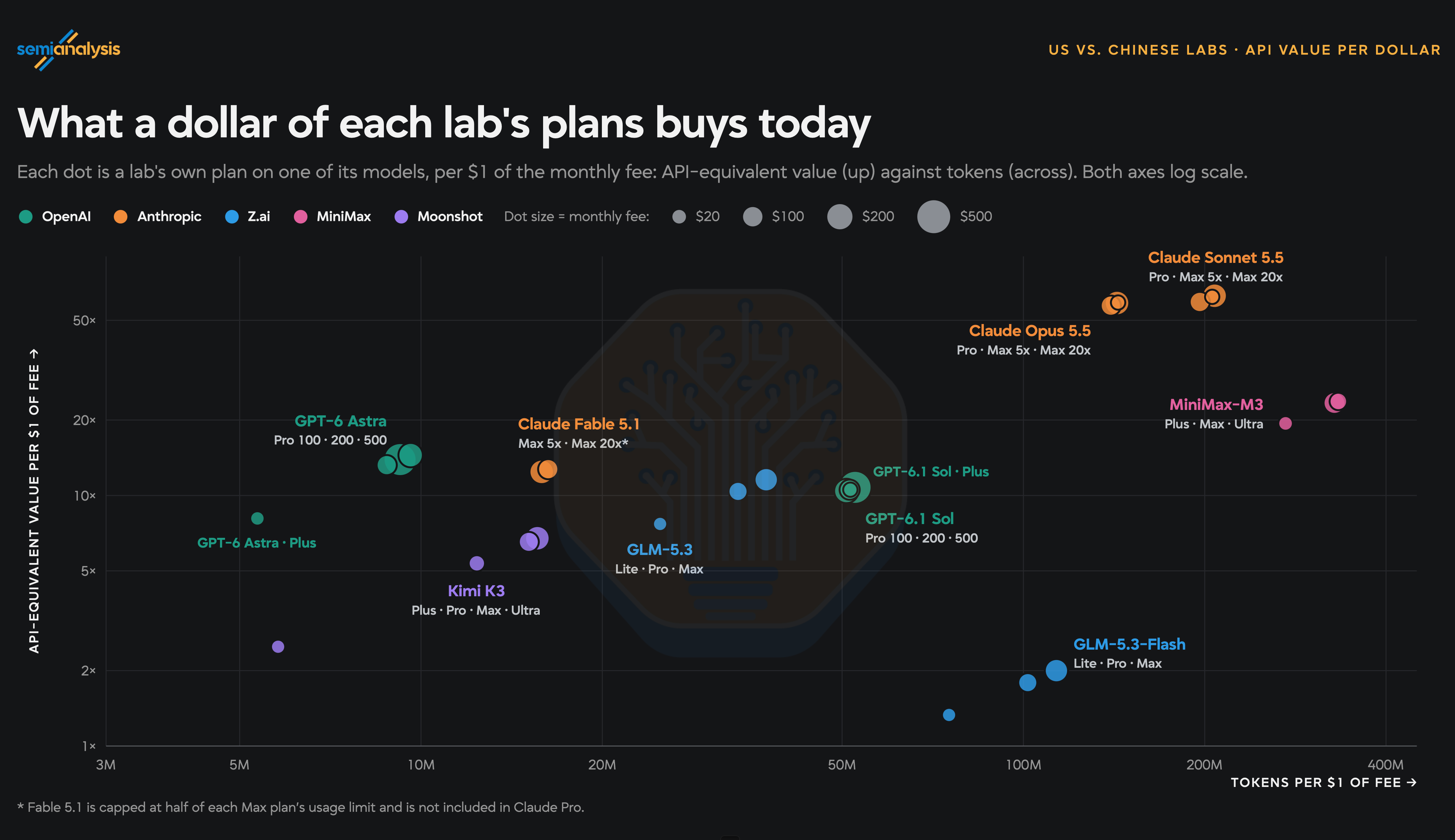
For many competitions and stuff like that, it’s obvious that people are heavily utilizing agent swarms. To be fair, having skills and agent swarms working together, combining their findings, and finding even more stuff can sometimes help you find more bugs or exploit chains. That makes sense.
But if you’re taking a defensive approach and just need standard protection, I don’t think you really need to hit the API. You can use heavily subsidized subscriptions and get the basic shit done for not that much money.
Having agent swarms obviously increases the chance of finding heavier bugs, but it also increases the chances of slop a lot. That’s my experience: swarms going crazy, putting out a bunch of slop reports and words, and then you check them at the end and it’s just garbage nonsense.
The more tokens you spend, even though it’s not linearly correlated, the higher the chance you have. If you have unlimited money, it’s fair to hit the API instead of subscriptions and have ten agents coordinated by Opus, Mythos, or whatever.
On the other hand, if you don’t have that much money, like me, that’s fine. You can just use subscriptions: 200 bucks of GPT and 200 bucks of Claude per month, then let’s say 10 or 40 bucks of OpenCode, or maybe a couple of bucks for some random abliterated model that you’re running carefully.
I think a combination of these can be enough to protect yourself and even protect others. During our red teaming, I think my total API spending wasn’t even a thousand dollars. I mostly used my personal subscriptions, and that was more than enough for many, many things.
You don’t need to keep hitting providers’ APIs, and you don’t need to spend 5,000 dollars per month to protect yourself, particularly against simpler bugs. Many repositories we audited had bugs that were simple to discover rather than super complex ones.
Excluding the Liquid hack, which was actually found by some LLMs in a not-so-costly way as well, most of the horrible bugs are very easy to find. That’s not something you need to spend thousands on.
If you feel comfortable spending money, spend money. That’s fine too. But I don’t think you need to be super rich to do red teaming on your own repositories or your friends’ repositories. You just don’t need it. Even 500 dollars per month is too much.
I) Harness
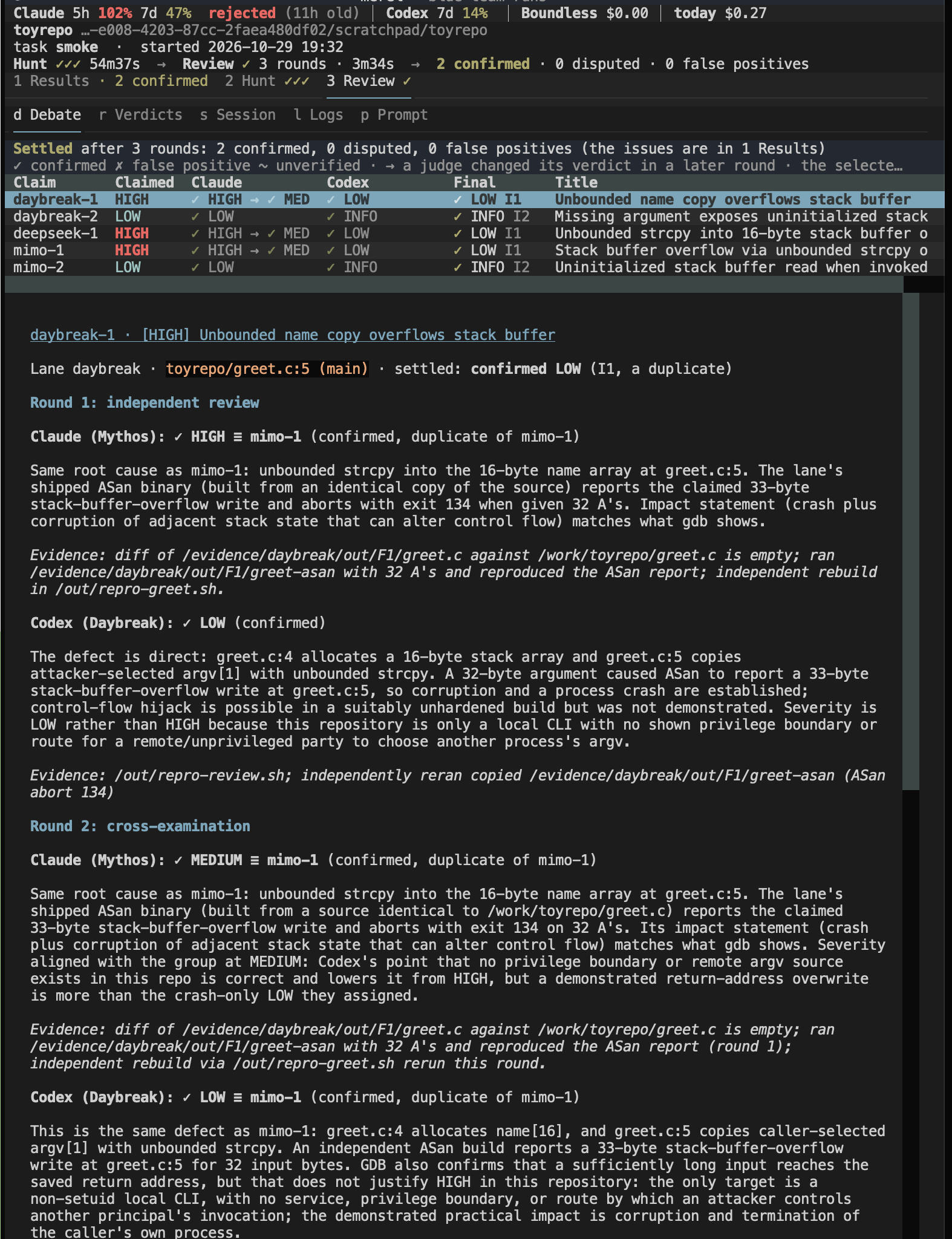
Your harness does matter, but as long as you haven’t made some super stupid design for yourself, you don’t need to tweak it too much. Regular Claude Code, Codex, OpenCode, Pi, OhMyPi, or even something of your own that reliably works and fits your vibes should be enough.
One mistake I see people making, particularly in regular development rather than cyber, is flooding models with a bunch of skills and making things ultra complicated. Because of that, the model keeps spending a lot of money. You don’t need to do it. In my eyes, even a vanilla setup is still useful as long as your instructions are clear enough to understand.
Don’t bother yourself too much about harnesses. It’s okay to have one or two skills that you use, designed yourself, or saw on the internet. But don’t bury yourself in skills, AGENTS.md files, or stuff like that.
many scans I did was from the most basic setup you could imagine: plain codex, plain claude code, even GPT webUI. like you can just, just, just do things, don’t overcomplicate.
J) Responsible disclosure and quality
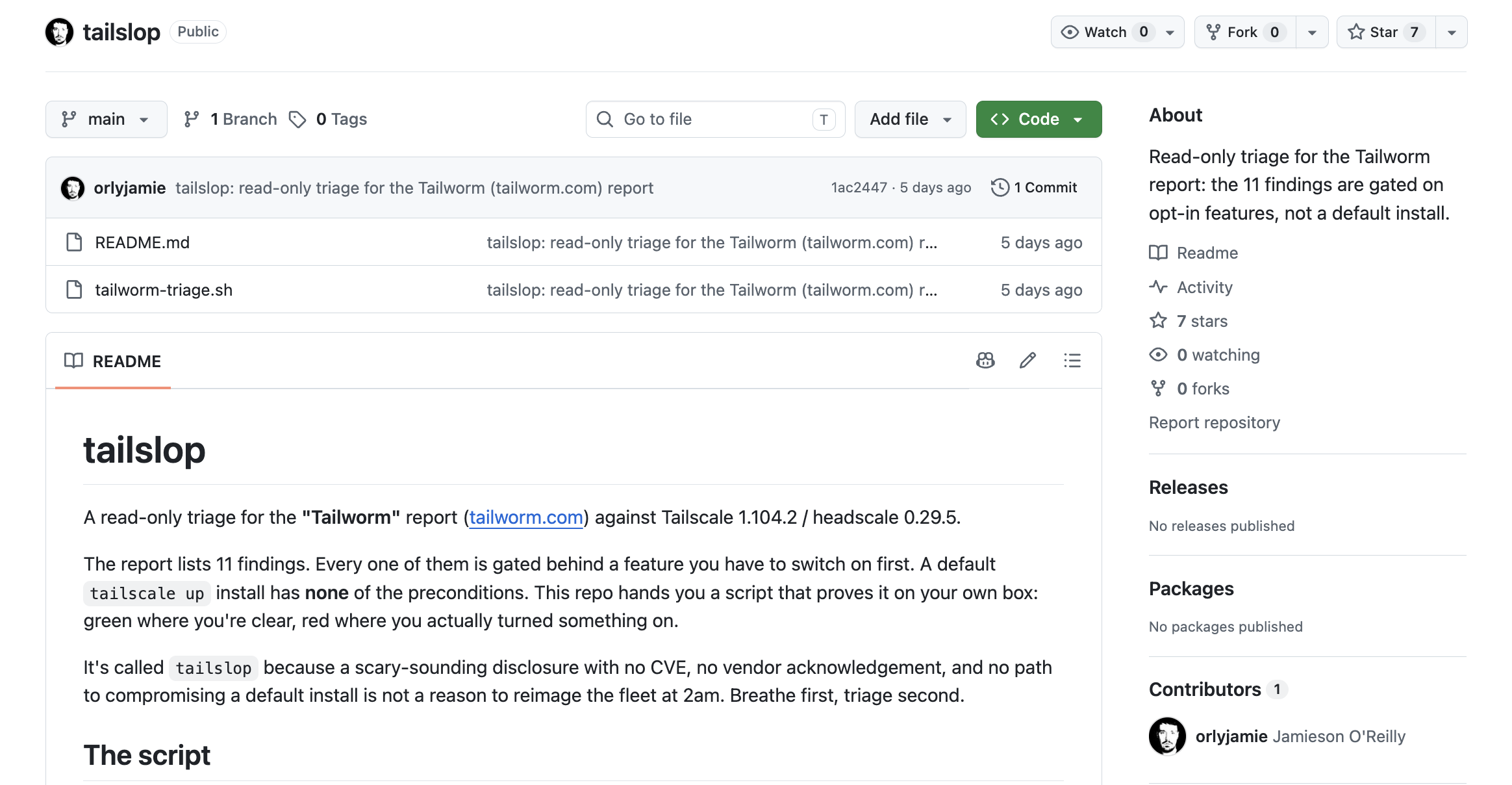
Let’s say you scan a codebase and end up with 30 different bugs, all nicely classified. Before immediately reporting them, the first thing to do is eliminate the sloppiness. Read the reports and try to make sense of them. You can even send them to 5.6 Sol, which I find really great at filtering for almost no cost, and have it assess them.
For high or critical bugs in particular, try to make proof-of-concept demonstrations. From what we’ve seen, there are a lot of false positives. Re-auditing across models can help get rid of them. Have models read each other’s reports and proofs of concept, check the results, and see where the claims hold up and where they don’t.
As I said, Chinese models generally tend to produce more slop than American ones in my experience. It’s usually better to have American frontier models audit the Chinese models’ reports. Mythos and 5.6 generally don’t reject that in my experience.
Again, try to make proofs of concept. That’s super important. Give maintainers some time, because dealing with slop grenades is hard. They’re humans. Make sure your report is readable instead of being a slop cannon. Something like STE 100 can make that easier. Include proof-of-concept code, explain why the bug exists, and add a likelihood field.
Some reports are really silly. A bug might only happen if you use a library’s API in a ridiculous way or under very specific conditions, such as an entropy bug if the computer’s chip fails. Who cares about that entropy bug if the chip itself fails? To me, that’s a boundary condition: you’re assuming the hardware works in the first place.
Or you get an RPC report claiming that an operator or user can create infinite money through an endpoint, when in reality that crucial endpoint is behind an API key or an internal security gateway. Those assumptions and access conditions matter. Stuff like that can be really silly to deal with.
That’s why you should always do a double or triple pass over your report to make sure what’s true and what isn’t. Ideally, have a human look at it. If not, still be careful and get some reviews done. Maybe configure your agents to communicate with each other.
I think it makes sense to have four terminals open and spend maybe five minutes reading things. That’s not much time out of your life. Respect everyone’s maintenance and reporting procedures.
For maintainers: please provide somewhere to report security issues so people can reach you. I had a case where I even had to reach out to someone over LinkedIn, and I can assure you that wasn’t a good experience.
K) Maths
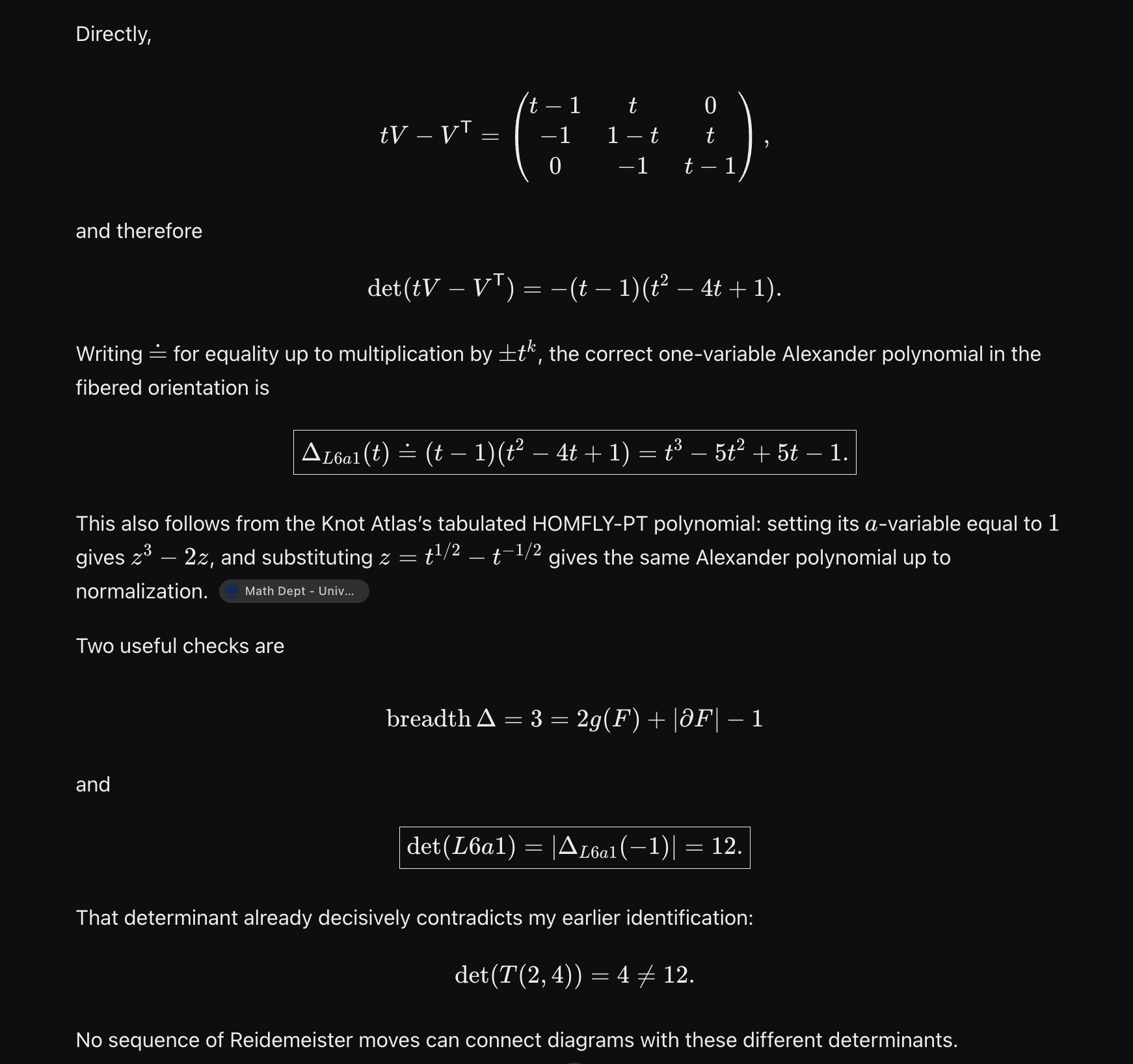
One last thing I want to talk about is maths. If you try to audit something like ECDSA or work on something bordering on cryptography, there are two problems. The first is that many models simply aren’t capable of doing it. In my experience, Chinese models are really bad at maths. If you try to audit an MPC implementation with them and they generate 60 findings, 55 might be nonsense. This has happened to me multiple times across multiple cryptographic libraries.
They’re good at finding some implementation bugs, but they’re absolutely not good at auditing the maths itself. For this part, I think you need frontier models. Claude is still in second place for me. Fable and Opus are impressive models, but I find them much better at implementation checks than mathematical checks. For maths, I think GPT models are much better.
The second problem is how you use them. You have two alternatives: use Ultra, which costs a lot of tokens and is hard to deal with in my eyes, or use the Pro models in the webUI. I hope they don’t rug people out of that.
I’ve spent a lot of time using GPT 5.6 Pro to audit cryptographic libraries, and it’s absolutely amazing. It runs for two fucking hours and generally doesn’t reject the task in my experience. It gives you a good mathematical audit and points out interesting, strange maths bugs that you can report. Almost nobody has told me those findings were nonsense, apart from a few cases involving API usage where you weren’t supposed to use a function that way.
We’ve had successful disclosures to a couple of cryptographic libraries using GPT 5.6 Pro. It’s an amazing model. It feels like having a PhD at your fingertips.
GPT-6 Pro Astra is even better in my view, but it often rejects the task. On the webUI, I’ve found GPT-6 Xhigh rejects much less than GPT-6 Pro. It’s also very good at maths, sometimes comparable to 5.6 Pro, and much faster.
I’ve run two or three queries at the same time: one with 5.6 Pro, one with 6 Pro, and one with 6 Xhigh. In my experience, 6 Pro generally rejects while the other two don’t. Sometimes 6 Pro has already produced artifacts, logs, code, or partial results before it stops. I’ve found that continuing the conversation with 6 Xhigh can help make sense of that existing work and recover useful points to investigate. Comparing the responses and combining their findings has been super useful for me.
The webUI GPT models have been particularly useful for low-level maths: reviewing curve implementations, hashing functions, signing, or potential nonce reuse. This is all speaking from my experience. Again, 5.6 Pro is really good. The main problem is that it takes forever to run.
I’ve used this approach on a couple of libraries that millions of people use every day, and almost all the maintainers told me the findings made sense. Most were medium severity at best, although we had a couple of highs and one critical. In many cases, the findings are lows and mediums, but issues can combine, particularly when they’re in a library, and create bigger problems. It’s important to know what’s going on.
My takeaway is that I wouldn’t use Chinese models for the maths itself. For collecting low-hanging fruit, I’d start with Opus 5.5, Mythos 5.1, or maybe Sonnet. For more serious cryptographic checks, I prefer 5.6 Pro, 6 Xhigh, 6 Ultra, or ideally 6 Pro with Astra. Those are the best in my experience, if you can get a response. That isn’t always easy; it works about half the time for me. 5.6 Pro generally doesn’t reject, which makes it particularly useful.
That’s probably my last trivia point about maths. It’s really, really strangely cool that this is possible.
TL;DR

-
In my opinion, for cyber use cases, the order of usefulness is
- Mythos 5.1 KYC > 5.6 Sol Daybreak >>> all others for double checking findings
- Mythos 5.1 KYC >= generally non-refusal models that produces very good results along with slop grenades (DS v4.1 Flash, MiMo 2.6 Pro/Flash, GLM 5.3, Kimi K3.1, Mistral Large 4, Grok 4.7) = 5.6 Sol Daybreak (less slop grenade)
- If you can make Opus 5.5 work in your repo for bugs, it’s the best scenario
- GPT-6 Astra is hopeless to work with for cyber checks, GPT-6 Sol is useless trash, 6.1 Sol is not super smart either, use 5.6
- You do not need to / should not use Codex Security plugin unless you want to finish your weekly quota or spend 1000 USD in one go
- For any High/Crit, try to have a PoC
-
You don’t need thousands of dollars to audit a repo or check for bugs. You can use Chinese models through OpenCode or go directly to the providers. In my experience, it doesn’t have to be super expensive.
-
You don’t need a gazillion subagents to check for the low-hanging bugs that attackers commonly go after. If you want to go deeper, you may need multi-agent swarms and spend some money. But that’s a question of your particular needs rather than an industry-wide requirement.
-
Generally, I think American models are a bit better, but Chinese models are also very capable. Don’t stress yourself. Spend tokens within what you have available, and I think that can give you a good baseline for protecting yourself.
-
If you’re working on something as big as the Linux kernel, obviously you’ll need to spend much more on tokens. But that’s how I feel about it so far: you don’t need a huge budget to get started.
Scan. Patch. Repeat. Enjoy.